What Is Boarding School Life Really Like?
By Paul Dunstan – Managing Director, My Top Schools. Former Commercial Director, Aldenham School. 25+ years in the UK independent school sectorModern UK boarding school life is structured, community-based, and pastorally supportive. Discover what daily routines, house systems, weekends, and pastoral care actually look like today.
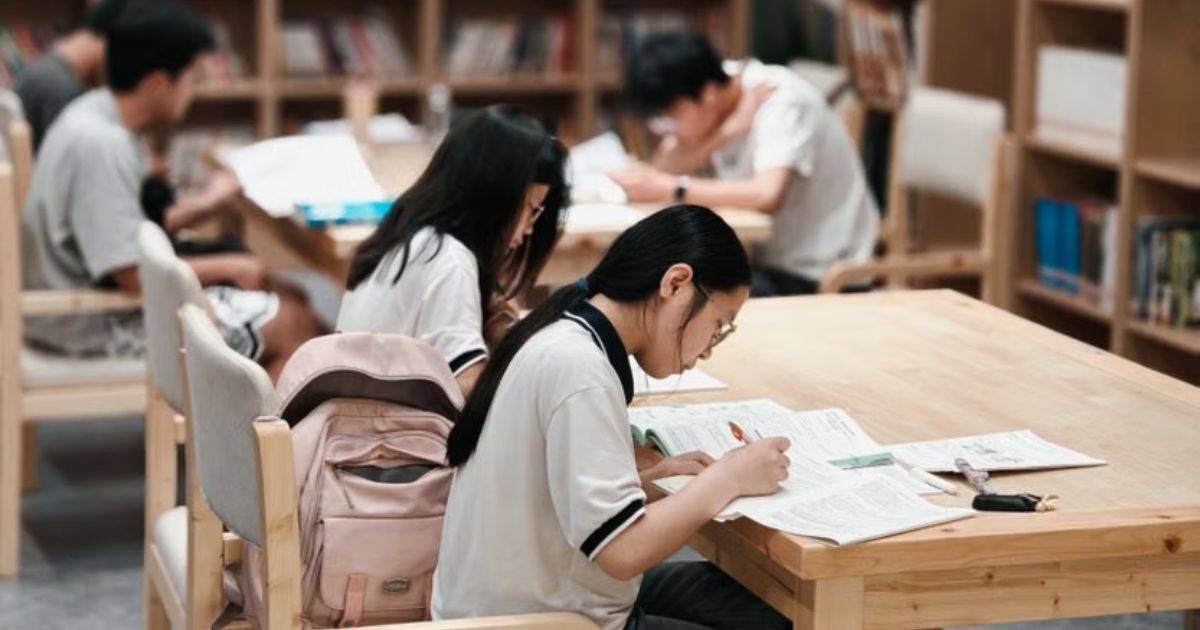
Modern boarding school life is structured, community-based and pastorally supportive. A typical day includes lessons, activities, supervised prep and social time, with clear routines and named house staff who know each pupil well. Evenings and weekends are organised around sport, music, drama and downtime. The reality is a long way from the old caricature of cold dormitories and minimal contact home — but boarding is still an immersive experience that suits some children far more than others.
This is a supporting article within our pillar guide to day school vs boarding school.
A typical weekday
| Time | Activity |
|---|---|
| 07:15 – 07:45 | Wake up, wash, breakfast in the house or dining hall |
| 08:15 – 08:45 | Chapel or assembly (some schools) |
| 09:00 – 12:30 | Morning lessons |
| 12:30 – 13:30 | Lunch |
| 13:30 – 15:30 | Afternoon lessons |
| 15:30 – 17:30 | Sport, activities or clubs |
| 17:30 – 19:00 | House time, tea, downtime |
| 19:00 – 20:30 | Prep (supervised study) |
| 20:30 – 21:30 | Free time, house social, music practice |
| 21:30 – 22:30 | Bed (age-dependent bedtimes) |
The rhythm varies by school and by age group. Younger pupils typically have earlier bedtimes and more supervised time; older pupils have more autonomy over evenings.
The house system
Most UK boarding schools are organised into houses — smaller communities of typically 40 to 70 pupils, each led by a housemaster or housemistress. The house is the pupil's home during term. It is where they sleep, eat some meals, socialise, and — importantly — where they are known as individuals. A strong house system is the single biggest driver of pastoral quality at a boarding school.
Key features of house life:
- A named housemaster or housemistress with detailed knowledge of each pupil.
- Assistant house staff (matrons, tutors, house parents) providing day-to-day care.
- Age-appropriate accommodation — shared rooms for younger pupils, more individual rooms for older ones.
- Regular house events — dinners, competitions, celebrations, house socials.
- Strong friendships within the house that often persist for life.
Pastoral care
Modern boarding schools invest heavily in pastoral care. Typical elements include:
- A named tutor who oversees the pupil's academic and personal development.
- The housemaster/housemistress as first pastoral point of contact.
- A school counsellor or wellbeing team for mental health support.
- A chaplain or equivalent for spiritual and pastoral guidance where relevant.
- A matron or medical team providing day-to-day physical care.
- Clear safeguarding processes and 24-hour staff presence.
The quality of pastoral care varies significantly between schools. When visiting a boarding school, ask specifically what happens when a pupil is struggling — the answer tells you a great deal about the culture.
Contact with home
Modern boarders are in regular contact with home. Most schools allow:
- Daily phone or video calls, particularly for younger boarders.
- Weekend visits home (particularly for weekly and flexi boarders).
- Regular emails, texts and social media contact (age-appropriate rules apply).
- Parents visiting the school for sport, music, drama, open days and exeats.
- Exeats and half-terms at home for full boarders.
The old picture of children out of contact with home for weeks at a time is entirely outdated. Communication has been transformed by mobile phones and video calling.
Weekend life
Weekend life is one of the biggest differences between weekly and full boarders. For full boarders, weekends at school typically include:
- Saturday-morning lessons at some schools (increasingly rare, but still common).
- Sports fixtures, home and away.
- Music and drama rehearsals or performances.
- House activities and socials.
- Trips into the local area or further afield.
- Genuine downtime — reading, gaming, socialising, sport for fun.
Weekend programmes vary in richness. At the best schools, weekends are a genuine part of the experience; at weaker schools, they can feel empty. Ask about weekends specifically when visiting.
Homesickness
Homesickness affects most new boarders to some degree, particularly in the first term. It is normal, expected, and usually resolves within a few weeks with good pastoral support. Signs of homesickness include:
- Tearfulness, particularly at bedtime or after phone calls home.
- Loss of appetite or sleep disruption.
- Withdrawal from house activities.
- Repeated requests to come home mid-week.
Good schools have well-developed processes for supporting new boarders through this. They will keep parents informed, provide extra pastoral time, and rarely recommend immediate withdrawal. Persistent homesickness beyond the first term is a warning sign — either of poor fit, or of pastoral gaps at the school.
Friendships
Boarding friendships are qualitatively different from day-school friendships. Living together — through lessons, meals, evenings, weekends — builds bonds that day-school friendships rarely reach. This is one of the most-mentioned positives from ex-boarders. It is also one of the reasons why children who fit boarding thrive so decisively there.
Independence
Boarders develop independence earlier and more comprehensively than day pupils. They manage their own laundry (with support at younger ages), organise their own time, resolve small conflicts with peers, and navigate life without a parent to intervene. By the time they leave school, most boarders are more independent than most of their day-school peers at the same age. This is one of boarding's clearest, most tangible benefits.
The downsides — honestly
For balance, the genuine drawbacks of boarding life include:
- Reduced family time during term, which cannot be recovered later.
- Less parental oversight of daily wellbeing and mood.
- The intensity of living alongside classmates 24/7.
- Homesickness in the early stages.
- Less exposure to broader family and community life during term.
None of these makes boarding wrong — they simply mean it is not the right choice for every child or every family.
Final thought
Modern boarding school life is a long way from the old stereotypes. For the right child, it is structured, warm, community-based and formative. For the wrong child, no amount of pastoral care makes up for the fundamental fit issue. Understanding what boarding life is actually like is the first step in deciding whether it is right for your child.
My Top Schools helps parents find the right school for their child — with clear profiles, honest information, and search filters built around what really matters. Start your search.
Related reading
- Day school vs boarding school — The full pillar guide.
- Pros and cons of boarding school — The honest trade-offs.
- What age should my child start boarding school? — How to judge readiness.
- Weekly vs full boarding — The middle-ground option.