Music, Art and Drama Scholarships at UK Private Schools
By Paul Dunstan – Managing Director, My Top Schools. Former Commercial Director, Aldenham School. 25+ years in the UK independent school sectorLearn how creative arts scholarships work at UK independent schools, including audition standards, portfolio guidelines, fee reductions, and preparation strategies.
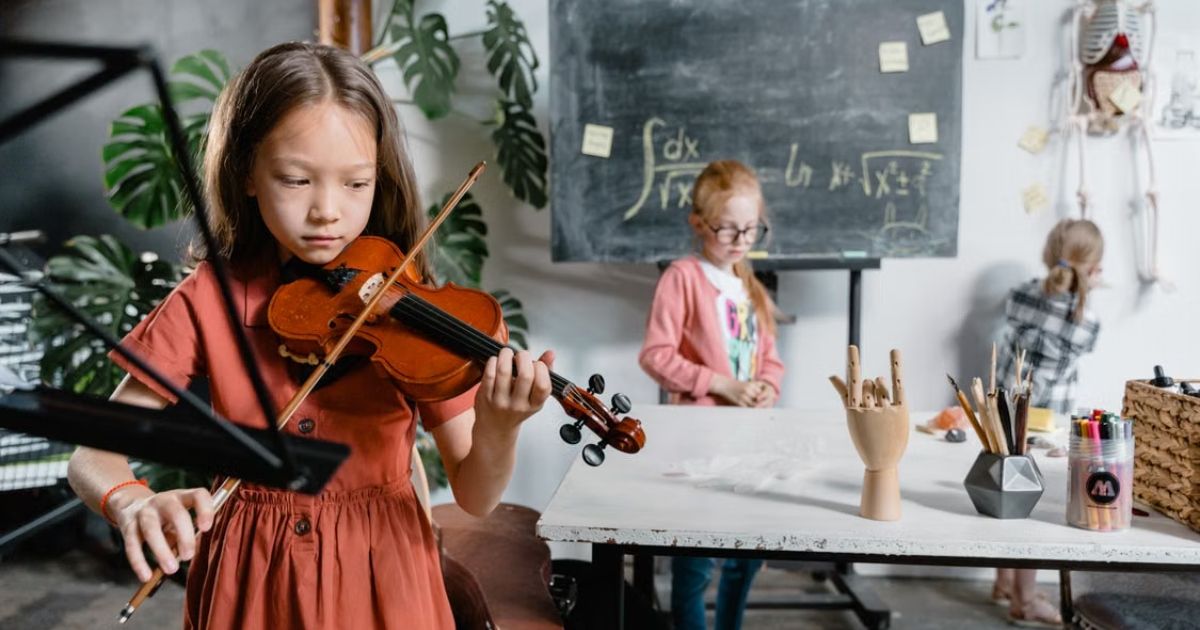
Music, art and drama scholarships at UK private schools reward exceptional talent in the creative arts. They typically reduce fees by 10 to 25 per cent and are usually awarded on the basis of audition, portfolio or performance. Music scholarships often require a specific grade level; art scholarships require a portfolio; drama scholarships involve prepared and unseen performance. All three are competitive but less over-subscribed than academic scholarships.
This is a supporting article within our pillar guide to bursaries and scholarships at UK private schools.
Music scholarships
Music scholarships are widely offered at UK private schools and are among the more generous scholarships available. Assessment typically involves:
- Audition on the pupil's main instrument or voice.
- Audition on a second instrument if possible.
- Sight-reading and aural tests.
- A theory paper (often equivalent to ABRSM Grade 5 theory).
- An interview with the director of music.
- A reference from the current music teacher.
Typical entry standards:
- 11+ music scholarship — ABRSM Grade 4-5 on main instrument, Grade 3 on second.
- 13+ music scholarship — Grade 6-7 on main, Grade 4-5 on second.
- 16+ music scholarship — Grade 8 on main, Grade 6-7 on second, plus theory Grade.
Standards vary — some highly musical schools set higher bars, some less so. Choral scholarships (for boy trebles particularly) can be available a year or two earlier than instrumental awards. Organ scholarships are typically 16+ awards at schools with significant chapel music.
Music scholarship value
| Type | Typical fee reduction |
|---|---|
| Standard music scholarship | 10% – 20% |
| Major music scholarship | 20% – 40% |
| Choral / organ scholarship (specialist) | 20% – 50%+ (typically includes free music lessons) |
Music scholarships often include free instrumental lessons, ensemble participation, and priority access to practice facilities — additional non-financial benefits that matter for serious young musicians.
Art scholarships
Art scholarships are offered at most UK private schools with strong art departments. Assessment typically involves:
- Submission of a portfolio (5-15 pieces showing range).
- A practical assessment day — set exercise, still life, observational drawing.
- A written statement about the child's art interests.
- An interview with the head of art.
- Portfolios should show:
- Range of media — pencil, paint, mixed media, digital where relevant.
- Observational drawing — evidence the child can draw from life.
- Ideas and imagination — original work, not just technique.
- Development — sketchbook work showing thinking, not just final pieces.
Art scholarships typically reduce fees by 10 to 25 per cent. Some schools with strong art traditions offer larger awards.
Drama scholarships
Drama scholarships are offered at schools with strong theatre programmes. Assessment typically involves:
- Two prepared monologues (one classical, one modern).
- A sight-reading exercise.
- A workshop-style session with the head of drama.
- An interview covering the child's theatre interests, productions seen, and reading.
Drama scholarships typically reduce fees by 10 to 25 per cent. Schools look for:
- Range — evidence the child can move between different registers and styles.
- Discipline — willingness to work hard on technique, not just perform.
- Engagement — genuine interest in theatre as a discipline.
- Confidence without egotism.
How to prepare
For all three, effective preparation over 12 to 18 months matters:
- Reach the standard the school expects — grade level for music, portfolio quality for art, repertoire and technique for drama.
- Work with a specialist teacher who understands scholarship expectations at the target school.
- Practise the specific components — sight-reading for music, observational drawing for art, unseen work for drama.
- Watch, read and engage — scholarship candidates are expected to know their discipline beyond just their own performance.
- Prepare for interview — be able to talk about your work, your influences, what you have been reading, watching or listening to.
Combining with a bursary
Music, art and drama scholarships can be combined with means-tested bursaries at most schools. This is a common route into private education for talented young artists whose families would otherwise struggle with fees.
Final thought
Music, art and drama scholarships are often overlooked by families who assume they cannot compete. In practice, competition varies by school and by discipline, and many schools are actively looking for genuine talent. If your child has real ability in one of these areas, applying for a scholarship at the right school is well worth the effort — and often the route to a bigger combined bursary award.
My Top Schools helps parents find the right school for their child — with clear profiles, honest information, and search filters built around what really matters. Start your search.
Related reading
Bursaries and scholarships at UK private schools — The full pillar guide.
Academic scholarships explained — Academic awards explained.
Sports scholarships at UK private schools — Sporting awards explained.
What makes a strong extracurricular programme? — How to judge creative programmes at schools.