UK Private School Interviews: What to Expect
By Paul Dunstan – Managing Director, My Top Schools. Former Commercial Director, Aldenham School. 25+ years in the UK independent school sectorAn expert guide on preparing for UK private school interviews, detailing what admissions teams look for, core assessment criteria, common questions, and how to build authentic confidence without over-coaching.
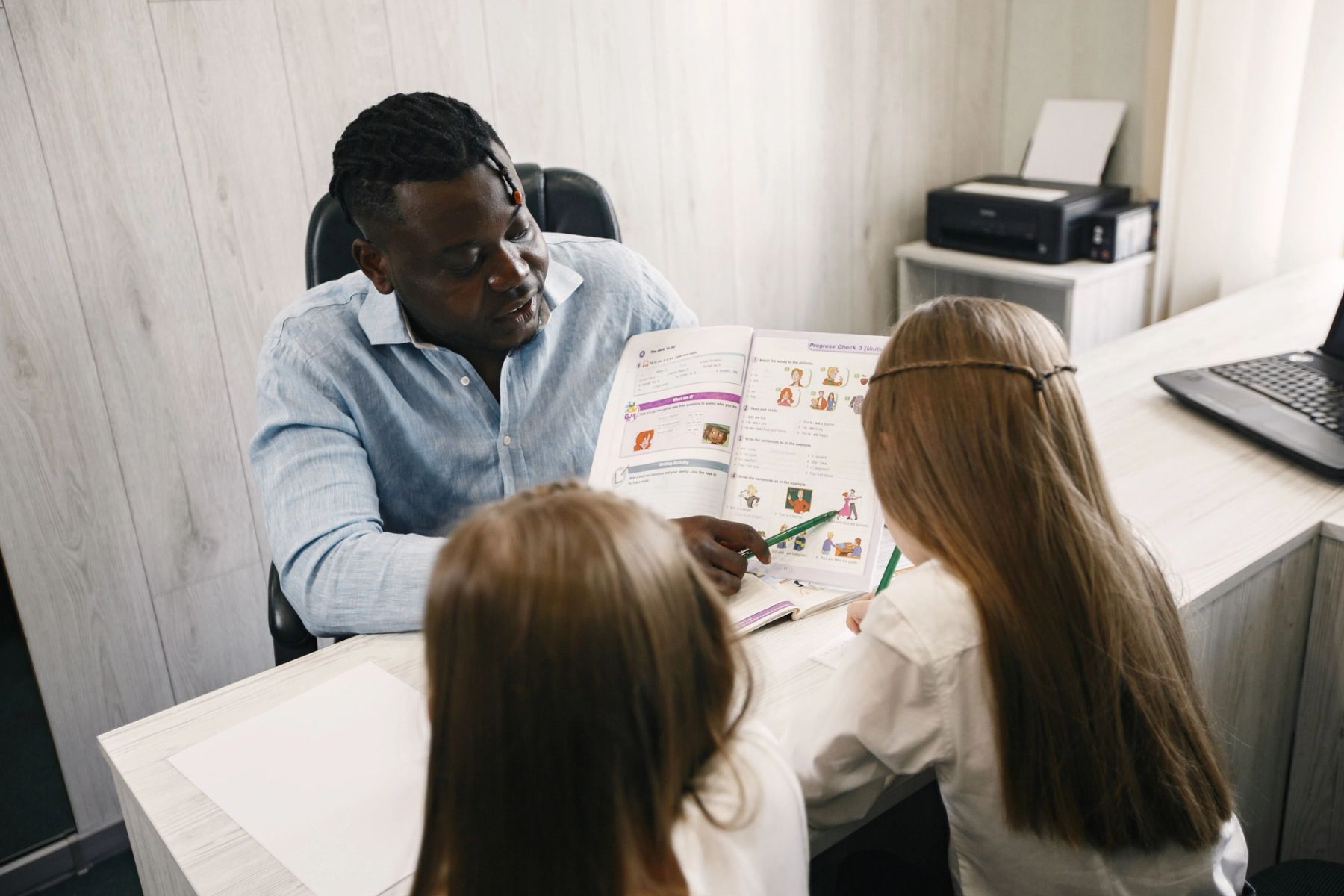
UK private school interviews are used to assess a pupil's communication, curiosity, character and fit with the school — not to test knowledge. They typically last 15-30 minutes and involve one or two staff members. Schools look for confident, articulate, genuinely curious pupils — not rehearsed performers. Preparation should focus on being able to talk about the child's interests, opinions and reading, rather than memorising answers to expected questions.
This is a supporting article within our pillar guide to the UK private school admissions process.
What schools use interviews for
The interview typically has four purposes:
- Assessing communication — how the pupil expresses ideas.
- Assessing curiosity — genuine interest in the world beyond exam preparation.
- Assessing character — resilience, kindness, self-awareness.
- Assessing fit — how the pupil would contribute to and thrive in the school's community.
Interviews are particularly important at competitive schools, where many candidates have similar exam results and the interview becomes a genuine differentiator.
Interview formats
One-to-one interview with a senior staff member
Common at most schools. Usually with the head, deputy head, head of admissions, or a senior teacher. Lasts 15-30 minutes.
Panel interview
Used at some more selective schools. Two or three interviewers, sometimes with different roles — head, subject teacher, house staff.
Group activity
Some schools use group activities alongside individual interviews to see how candidates interact with peers. These may involve group problem-solving, discussion or creative tasks.
Written task
Some schools include a short written task alongside the interview — writing on a prompt, responding to an image, or completing a piece of comprehension.
Video interviews
Common for international candidates. Same principles apply — communication, curiosity, character, fit.
What schools look for
Communication
- Clear, articulate responses.
- Ability to develop and expand answers.
- Comfort with silence — not filling every gap with words.
- Listening as well as talking.
Curiosity
- Reading beyond the school curriculum.
- Interest in current events, ideas, questions.
- Willingness to say 'I don't know, but I would like to find out'.
- Follow-up questions that show genuine engagement.
Character
- Resilience — how the pupil talks about difficulty or failure.
- Kindness — how they talk about peers, teachers and family.
- Self-awareness — recognition of their own strengths and weaknesses.
- Confidence without arrogance.
Fit
- Genuine interest in the specific school.
- Understanding of what the school offers.
- Alignment with the school's culture and values.
Common interview questions
Interviews are unpredictable, but some questions come up frequently. Sample:
- Tell me about yourself.
- Why do you want to come to this school?
- What is the last book you read that you enjoyed? What did you enjoy about it?
- What are you most proud of achieving so far?
- What is something you find difficult, and how do you handle it?
- Tell me about a time you disagreed with a friend. How was it resolved?
- What subject do you find most interesting, and why?
- If you could change one thing about the world, what would it be?
- What questions do you have for me?
The specifics vary, but the underlying purposes are consistent.
Preparing well without over-rehearsing
The goal is confidence, not scripts. Effective preparation:
- Read widely — fiction, non-fiction, journalism.
- Discuss ideas at home — dinner-table conversations about current events, books, questions.
- Practise talking coherently for 2-3 minutes about any topic the child cares about.
- Practise responding to open-ended questions — what would you do if…, why do you think…, tell me about….
- Prepare specific things to talk about — a recent book, a project, an interest.
- Prepare 2-3 thoughtful questions to ask the interviewer.
- Practise interviews with parents, family friends or a coach — but do not memorise answers.
Interviewers can spot rehearsed answers immediately. A well-prepared child sounds confident and specific; an over-coached child sounds robotic. Aim for the first.
What to talk about
Preparation is not just about answers — it is about having something interesting to say. Encourage the child to develop:
- A book they can discuss with genuine enthusiasm.
- An area of interest — sport, science, art, current events — they know beyond surface level.
- A recent experience they can describe vividly.
- Opinions on age-appropriate current issues they can defend.
The most successful interviewees have interesting things to say and can say them well. This cannot be manufactured in the final weeks; it comes from the child's general development.
On the day
Practical tips:
- Arrive early. Give the child time to settle.
- Dress smartly but comfortably — school uniform if appropriate, or smart-casual otherwise.
- Encourage the child to breathe, listen, and take their time.
- Reassure that saying 'let me think about that' is fine.
- Reassure that not knowing something is fine — schools value honesty more than false confidence.
- Trust the child. Do not micro-manage or coach in the waiting room.
After the interview
Ask the child how it went, but do not over-analyse. Interviewers are experienced at reading candidates; small imperfections in a response rarely change the outcome. Trust the process and wait for the decision.
Common mistakes
- Over-preparing to the point of memorised answers.
- Under-preparing — arriving with nothing specific to talk about.
- Rehearsing what the parent thinks should be said, not what the child genuinely thinks.
- Dressing too formally for a school that values a more relaxed style.
- Focusing only on the answers, ignoring the questions the child should ask.
- Pushing the child to fake enthusiasm for a school they are not interested in.
Final thought
Interviews reward genuine, articulate, curious children — not rehearsed ones. Prepare well but lightly. Focus on giving the child interesting things to talk about and the confidence to talk about them. That is what schools are actually looking for.
My Top Schools helps parents find the right school for their child — with clear profiles, honest information, and search filters built around what really matters. Start your search.
Related reading
- The UK private school admissions process: step-by-step — The full pillar guide.
- How to get into a selective private school — Wider admissions strategy.
- What questions to ask when choosing a private school — The interview from the family's side.
- The 11+ and 13+ entrance exams explained — The exam component.