UK Private Schools for International Students
By Paul Dunstan – Managing Director, My Top Schools. Former Commercial Director, Aldenham School. 25+ years in the UK independent school sectorThe ultimate guide for international families navigating UK independent boarding schools. Covers entry points, visas, guardianship, total costs, country-specific advice, and application timelines.
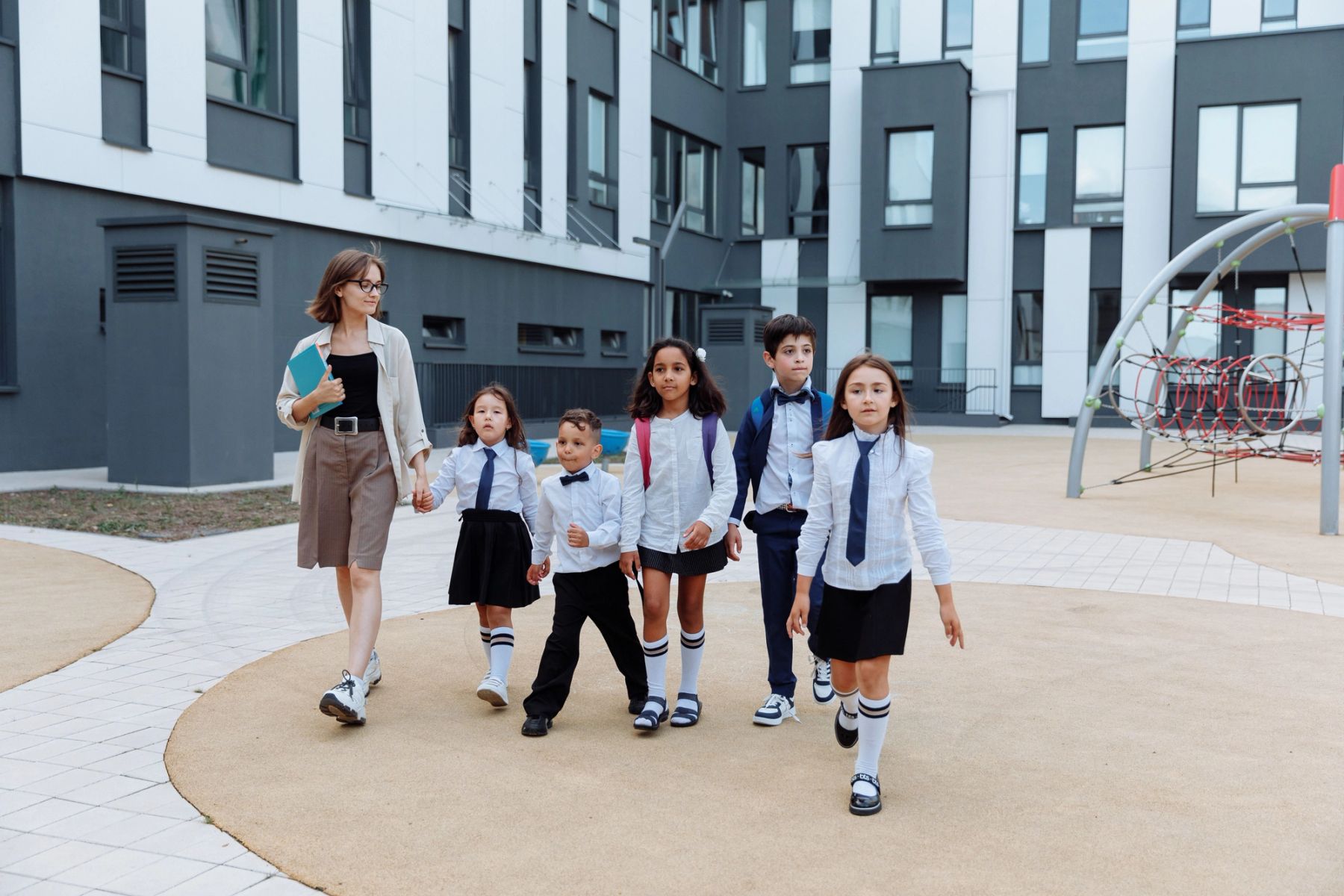
The UK is one of the world's leading destinations for international independent education. Almost every UK boarding school accepts international students, and many are highly experienced at supporting families from China, Hong Kong, Singapore, the UAE, the USA, Nigeria and dozens of other countries. Boarding fees range from £35,000 to £70,000+ per year, with additional costs for guardianship, flights and visas. The process takes time — 12 to 24 months from research to arrival is typical — but the path is well-trodden and well-supported.
Why international families choose UK private schools
The UK's independent school sector has been serving international families for over a century. Key reasons families choose it include:
- Global recognition of GCSE, A-Level and IB qualifications, and strong onward routes to UK, US, European and Asian universities.
- Small class sizes and strong pastoral care — particularly important for boarders far from home.
- A well-developed boarding infrastructure — houses, house staff, guardianship networks, EAL provision.
- Genuine breadth beyond academics — sport, music, drama, STEM enrichment, leadership.
- English-language immersion in an environment designed to support international pupils.
- Strong safeguarding standards and formal regulation by the Independent Schools Inspectorate.
Which schools accept international students
Most UK boarding schools accept international students. Many have significant international communities — at some schools, international pupils make up 20 to 40 per cent of the boarding population. A smaller number specialise almost entirely in international recruitment, particularly at sixth form.
Day schools accept international students less commonly. Where they do, it is usually because the family has a parent working in the UK or has UK-based relatives with whom the child can live. For families based outside the UK, boarding is almost always the practical option. Our full guide to day school vs boarding school covers the wider day-vs-boarding decision.
Common entry points
| Entry age | Year group | Notes for international families |
|---|---|---|
| 11+ | Year 7 | Common for families planning a full UK senior school experience. |
| 13+ | Year 9 | Traditional boarding entry; strong option for families wanting the full 5-year experience. |
| 14+ | Year 10 | Available at some schools; useful for families joining mid-way through GCSE-equivalent stages. |
| 16+ | Year 12 (Sixth form) | The most common international entry point — clear focus on A-Levels or IB and university preparation. |
For most international families, 13+ or 16+ are the strongest entry points. Our full guide to what age a child should start boarding school covers the decision in depth.
Entry requirements
Requirements vary between schools but typically include:
- Academic records from the current school (usually two years' worth).
- References from the current headteacher or head of school.
- Entrance assessments — commonly the ISEB Common Pre-Test, UKiset, or school-specific papers.
- An interview, typically online for international applicants.
- Evidence of English proficiency (see EAL section below).
- A written personal statement or motivation piece at some schools.
Our full guide to applying to UK private schools from overseas sets out the process and typical timeline.
English language requirements
Almost every UK boarding school assesses English proficiency for international applicants. Common approaches include:
- UKiset — a widely-used assessment covering English, maths and reasoning.
- IELTS — required by some schools at sixth form entry.
- School-specific English assessments, often taken alongside the entrance test.
- Interviews conducted in English to test conversational fluency.
Many schools offer English as an Additional Language (EAL) support for students who need to build language skills after arrival. Our full guide to EAL support at UK boarding schools covers the range of provision available.
Visas
International students aged 4 to 17 typically require a Child Student visa to study at a UK independent school. The process involves:
- A confirmed place at a licensed sponsor school (most UK independent schools hold this status).
- A Confirmation of Acceptance for Studies (CAS) issued by the school.
- Evidence of sufficient funds to cover fees and living costs.
- A valid passport and biometric information.
- A tuberculosis test result for some countries.
- Payment of the visa fee and immigration health surcharge.
Students aged 16-17 can, at some schools, apply for a Student visa instead of a Child Student visa. The choice affects work rights, dependants and post-study options. Our full guide to visas for UK boarding school students covers the detail. Note: UK immigration rules can change; check the GOV.UK Child Student visa page for the current position before applying.
Guardianship
International boarders under 18 are required by almost every UK boarding school to appoint a UK-based guardian. The guardian:
- Acts as an emergency contact and local representative.
- Provides accommodation during half-terms and exeat weekends (when the school is closed).
- Attends the school in the event of illness, accident or serious concern.
- Signs school forms that require a UK-based adult.
Guardianship can be provided by a UK-based relative or family friend, or — most commonly — by a professional guardianship agency. AEGIS (the Association for the Education and Guardianship of International Students) is the leading accreditation body; using an AEGIS-accredited agency is a strong quality signal.
Guardianship costs typically £2,000 to £5,000 per year, plus per-visit or per-stay charges. Our full guide to guardianship for international students covers the process and how to choose a good guardian.
Total costs for international families
The headline boarding fee is only part of the picture. A realistic annual budget includes:
- Boarding fees: £35,000 – £70,000+.
- Guardianship: £2,000 – £5,000.
- Flights (return trips home for holidays): £2,000 – £8,000 depending on region.
- Visa and immigration health surcharge: £470 + £776 per year (subject to change).
- Uniform and initial kit: £800 – £2,000 first year.
- Trips and extras: £3,000 – £8,000.
- Personal spending, phone, travel: £2,000 – £5,000.
A realistic all-in annual budget for an international boarding pupil is £45,000 to £85,000. Our full guides to boarding school fees UK and hidden costs of UK private schools cover the cost base in more detail.
Country-specific considerations
China and Hong Kong
The largest source markets for UK boarding. Chinese families typically prioritise academic strength, university destinations and a supportive Chinese-speaking pastoral network. Many schools have significant Chinese-speaking staff and structured onboarding for Chinese pupils. Our full guide to the best UK boarding schools for Chinese families covers this in depth.
Singapore, Malaysia and Hong Kong
Families often want strong STEM provision, university preparation for the US, UK and Singapore, and a familiar English-language academic culture. Sixth form is a common entry point.
The UAE and wider Middle East
Families frequently want a UK boarding education alongside strong pastoral care and clear cultural sensitivity. Many prefer schools with existing established communities from the region.
Nigeria and West Africa
A long-standing source of international boarding pupils. Families typically prioritise academic strength and university progression. Established networks between UK schools and West African families ease the transition.
USA
US families are increasingly choosing UK boarding for the academic depth, university options and cost — even at £70,000 a year, UK boarding can compare favourably with top US private schools. Sixth form (particularly at A-Level or IB) is the most common entry point.
The strength-based approach
Not all UK boarding schools are equally suited to any given international family. The strongest results come from matching a child's genuine strengths — academic, sporting, musical, artistic — to a school whose programme is genuinely strong in that area. This is the principle behind My Top Schools's strength-based search: international parents can find schools by what they are genuinely good at, not just by geography or overall reputation.
Sister platform UK Football Schools has demonstrated the same principle for six years, matching young footballers from many countries with UK boarding schools whose football programmes are strong enough to develop them alongside their academics. The same logic applies to music, STEM, drama, tennis and every other genuine strength.
Timeline: how long does it take?
| Timing | Action |
|---|---|
| 18-24 months before entry | Research schools, understand entry points, shortlist 5-10 schools. |
| 15-18 months before entry | Register with the schools; attend online events or visit if possible. |
| 12-15 months before entry | Sit UKiset or school-specific assessments; interviews. |
| 9-12 months before entry | Receive offers and accept a place. |
| 6-9 months before entry | Appoint guardian, begin visa application, arrange payment. |
| 3-6 months before entry | Visa granted; arrange flights; purchase uniform; complete school forms. |
| At entry | Arrive at school for induction and start of term. |
Common mistakes international families make
- Starting too late. UK boarding admissions are slower and more competitive than many international families expect.
- Choosing on brand recognition alone. Well-known does not always mean well-suited to your child.
- Underestimating total costs. Fees are only part of the picture.
- Choosing a school with too high an international proportion — some 'international' schools have limited British integration.
- Under-preparing for English proficiency assessments.
- Selecting a guardian without checking AEGIS accreditation or professional standards.
- Not visiting the UK before enrolment. Where possible, at least one visit before accepting a place is strongly recommended.
Final thought
A UK private boarding education is a significant undertaking for any international family — but the sector is well-developed, well-supported and, at the right school, transformative. The most successful outcomes come from starting early, choosing carefully, and matching the school to the child rather than the reputation.
My Top Schools helps parents find the right school for their child — with clear profiles, honest information, and search filters built around what really matters. Start your search.
Related reading
- Applying to UK private schools from overseas — The full application process.
- Visas for UK boarding school students — The Child Student visa explained.
- Guardianship for international students in UK boarding schools — The guardianship requirement in detail.
- English language support at UK boarding schools — EAL provision and assessment.
- Best UK boarding schools for Chinese families — Country-specific guidance for Chinese families.
- What age should my child start boarding school? — Timing the boarding decision.
- Boarding school fees UK — The full cost of boarding.