What Age Should My Child Start Boarding School?
By Paul Dunstan – Managing Director, My Top Schools. Former Commercial Director, Aldenham School. 25+ years in the UK independent school sectorMost UK pupils start boarding at 11 or 13, but readiness matters more than the calendar. Explore entry points at 7, 11, 13, and 16 to decide the right timing for your child.
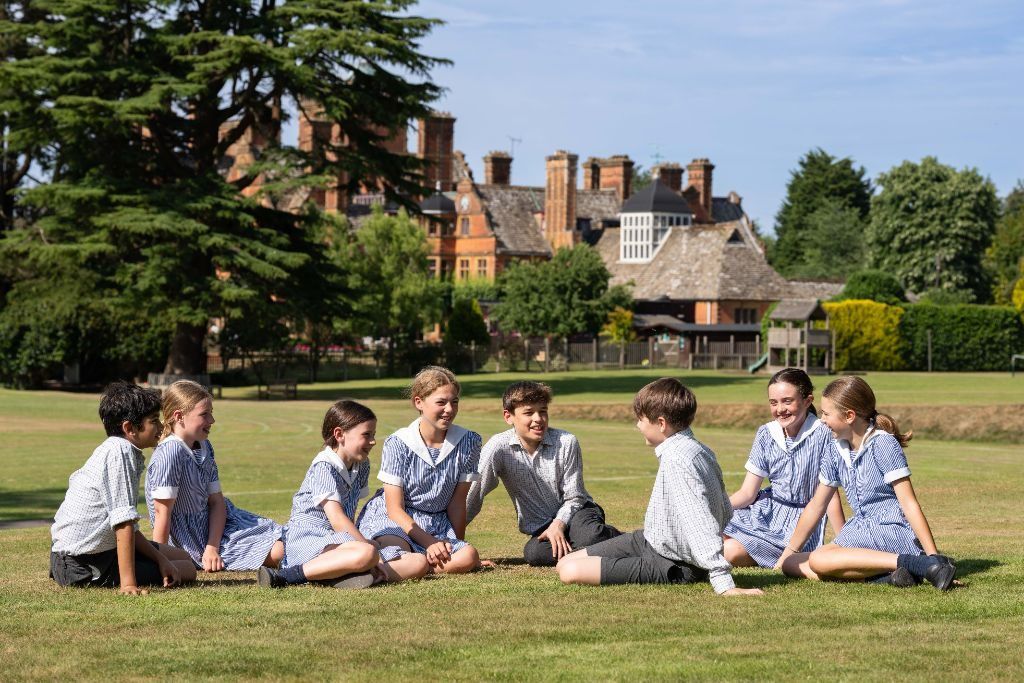
Most children in the UK start boarding at 11 (Year 7) or 13 (Year 9). Both are natural transition points and suit most children well. A smaller number start earlier at prep-boarding schools from age 7 or 8, though this is unusual and depends on genuine readiness. Age 16 (sixth form) is also a common entry point, particularly for international students or those seeking a fresh start. There is no single right age — readiness matters more than the calendar.
The most common entry ages
| Age / year group | How common | Typical suitability |
|---|---|---|
| Age 7–8 (Year 3–4) | Uncommon | Rare; suits very independent children or specific family circumstances. |
| Age 11 (Year 7) | Very common | Popular senior-school entry point; suits most children with good readiness. |
| Age 13 (Year 9) | Very common | Traditional entry point; suits children who benefit from a bit more maturity. |
| Age 16 (Sixth form) | Common | Strong option for academic focus, fresh start or international entry. |
Our full guide to day school vs boarding school provides broader context on the boarding decision itself, and our guide to weekly vs full boarding covers the pattern of boarding as much as the age.
Boarding at 7 or 8
A small number of UK prep schools offer boarding from age 7 or 8. This model works best when it is soft and flexible — weekly rather than full boarding, close staff supervision, and warm, family-style houses. Historically, early prep boarding was the norm for certain families and remains so at some schools; today it is much less common than it was, and most schools now offer flexi or weekly boarding at younger ages rather than full.
Early boarding may work well when:
- The child is unusually independent and settled.
- The school provides a nurturing prep-boarding environment specifically designed for younger children.
- Family circumstances make it practical — parents working overseas, or geographically distant from suitable day schools.
- Weekly or flexi options are used rather than full boarding.
Early boarding is less suitable when:
- The child relies heavily on daily home contact.
- There is no compelling practical reason to start early.
- The school's prep-boarding provision looks like a senior-school system in miniature.
- The child has not yet fully developed the emotional resilience for extended time away from home.
For most UK families, waiting until 11 or 13 produces a smoother transition. Our full guide to signs your child is ready for boarding is a useful reference if you are considering early boarding.
Boarding at 11 (Year 7)
Age 11 is one of the two most common entry ages, coinciding with the move from prep school to senior school in much of the UK independent sector. It is a natural transition point — the child is already changing schools, so the shift to boarding is one part of a wider new beginning rather than a stand-alone disruption.
Advantages of starting at 11:
- Aligns with the natural school-change point in many families.
- Full seven years at the same senior school builds deep friendships and continuity.
- Early independence-building for children who are ready.
- Easier to settle when peers are also new to the school.
- More time to develop specific strengths — music, sport, drama — through the school's programme.
Considerations:
- Emotional readiness varies widely at 11.
- The step up from prep-school life is real, and homesickness is more common at this age than at 13.
- For less independent 11-year-olds, waiting two years often works better.
Boarding at 13 (Year 9)
Age 13 is the other most common entry point, and one that many traditional boarding schools are structured around. Children arriving at 13 tend to be more emotionally mature, more socially confident, and better prepared for the independence of boarding.
Advantages of starting at 13:
- Higher emotional maturity typically eases the transition.
- Stronger sense of self and social confidence.
- Suits children who have benefited from an extra two years at prep school.
- Historically, this is the entry point many long-established boarding schools are built around.
Considerations:
- Friendships at the school may already be forming — new pupils need good pastoral support to integrate.
- Two fewer years to develop deep involvement in the school's programme.
- Some children are entirely ready at 11 — waiting for 13 can, in those cases, delay rather than help.
Boarding at 16 (Sixth form)
Sixth form entry, at age 16, is a common and increasingly popular boarding entry point. Many schools have significant sixth-form intakes, particularly among international students. It suits a range of children — those seeking academic focus, those wanting a fresh start, and those transitioning towards university-style independence.
Advantages of starting at 16:
- High maturity and readiness for independence.
- Clear academic focus — sixth form is more subject-specialised.
- Strong preparation for university.
- Fresh start for children who have outgrown their previous school.
- A common entry point for international students, so integration is well supported.
- Considerations:
- Only two years at the school before university — less time to build deep friendships.
- Social integration is important — arriving into a settled year group can be difficult without good support.
- Some sixth forms are dominated by international students, which can be either a positive or a limitation depending on the child's goals.
What matters more than age: readiness
Age is a useful marker but not the deciding factor. Readiness matters more. A ready 11-year-old will thrive; an unready 13-year-old will struggle. Signs of readiness include:
- Emotional independence — the child can be away from parents for extended periods without distress.
- Practical independence — they can manage their own belongings, routine and time.
- Social confidence — they form friendships, ask for help, and interact confidently with adults.
- Curiosity about boarding — they are interested rather than reluctant.
- Adaptability — they cope well with change and new environments.
Our full guide to signs your child is ready for boarding covers the readiness question in detail. If your child does not yet show these signs, waiting a year or two — or starting with weekly or flexi boarding — often produces a much better outcome than pushing through with full boarding at a fixed age.
Family circumstances
Sometimes the decision is influenced by practical factors. Boarding may be the right practical choice when:
- The family lives far from suitable day schools.
- Parents travel frequently or work overseas.
- The family is relocating internationally.
- Local day schools do not offer the specific strengths a child needs.
- Family circumstances (health, divorce, work-related moves) make daily home life during term difficult.
For international families, boarding is usually the only practical option. Our full guide to UK private schools for international students covers this specific context.
Boarding gradually: weekly, flexi and phased approaches
Boarding does not have to start with full boarding on day one. Many families find a gradual approach produces the best transition:
- Start with flexi boarding — one or two nights a week at Year 7 or Year 9 entry.
- Move to weekly boarding once the child is settled.
- Consider full boarding from Year 10 or the start of sixth form.
Not every school offers this progression, so ask specifically when considering boarding. Our guides to flexi boarding and weekly vs full boarding cover the options in detail.
Common mistakes parents make
- Fixing on a specific age (e.g. 'we've always said 13') without checking readiness.
- Assuming boarding is inherently good for character-building and pushing a reluctant child.
- Following what other families do rather than focusing on your own child.
- Starting too young because a place is available at a well-regarded prep school.
- Waiting too long for a child who is clearly ready and would benefit from an earlier start.
- Not preparing the child properly before the transition. Our full guide to preparing a child for boarding school covers this specifically.
Signs it may be too early
- Strong reliance on daily home routines.
- Difficulty coping with sleepovers or short trips away.
- Reluctance or fear when boarding is discussed.
- Recent family upheaval — house move, bereavement, parental separation.
- Ongoing anxiety or difficulty with change.
In these cases, delaying by a year or two — or starting with day school and considering boarding later — is usually the right call. Our full guide to how boarding school affects family life covers the broader picture.
Final thought
The right age to start boarding is the age at which your child is ready — not the age at which the school offers a place. For most children, 11 or 13 provides the right balance of maturity, opportunity and settling time. Earlier can work with the right child and the right school; later can be an excellent fresh start at sixth form. What matters most is reading your child honestly, not fitting them to a schedule.
My Top Schools helps parents find the right school for their child — with clear profiles, honest information, and search filters built around what really matters. Start your search.
Related reading
- Day school vs boarding school — The wider boarding decision.
- Signs your child is ready for boarding — Readiness signals to look for.
- Preparing a child for boarding school — Practical preparation steps.
- How boarding school affects family life — The impact on the whole family.
- Weekly vs full boarding — A softer starting point.
- Flexi boarding explained — The most gradual option.